
What does Atlantic Meridional Overturning Circulation (AMOC) weakening mean for climate adaptation in the Nordic region and beyond?
This was the key question we explored at “Navigating AMOC uncertainty: From climate science to adaptation from the Nordic perspective”, a side event at COP31 organised by Danish Meteorological Institute, Swedish Meteorological and Hydrological Institute, and the Horizon EU projects TipESM and OptimESM.
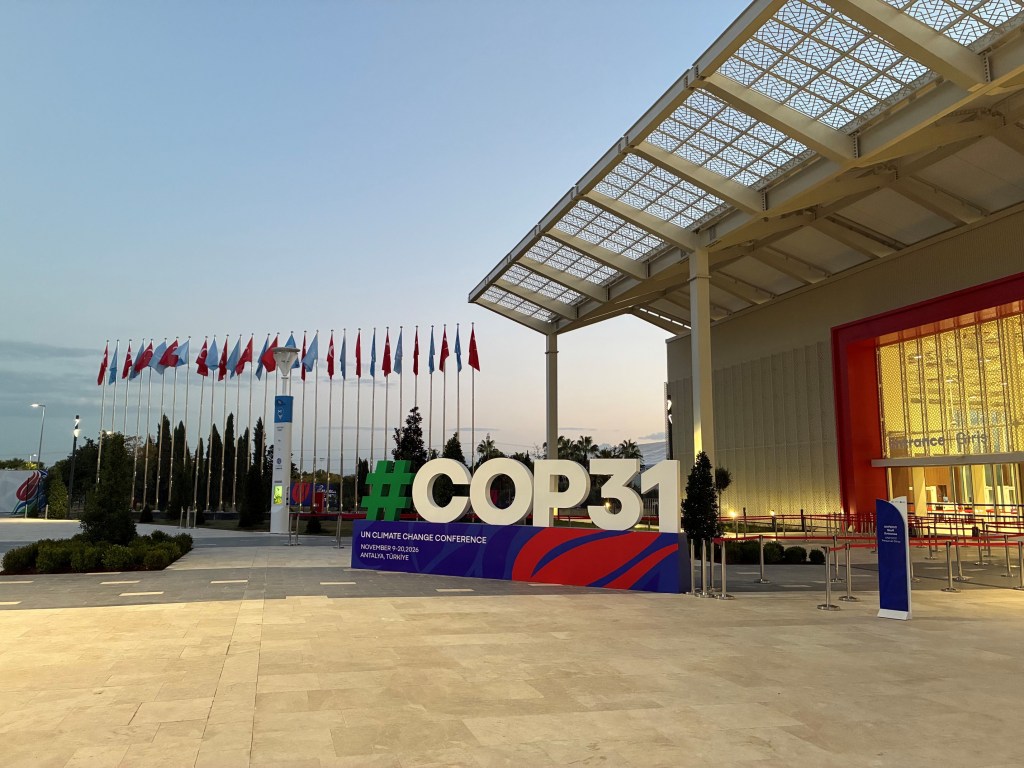

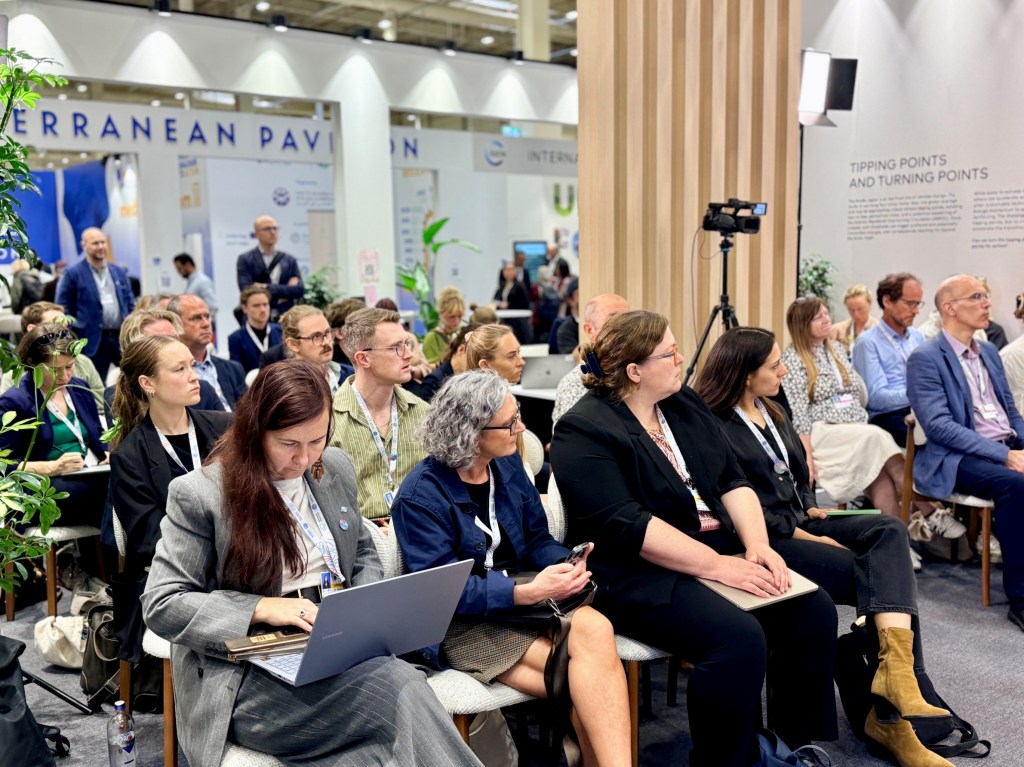
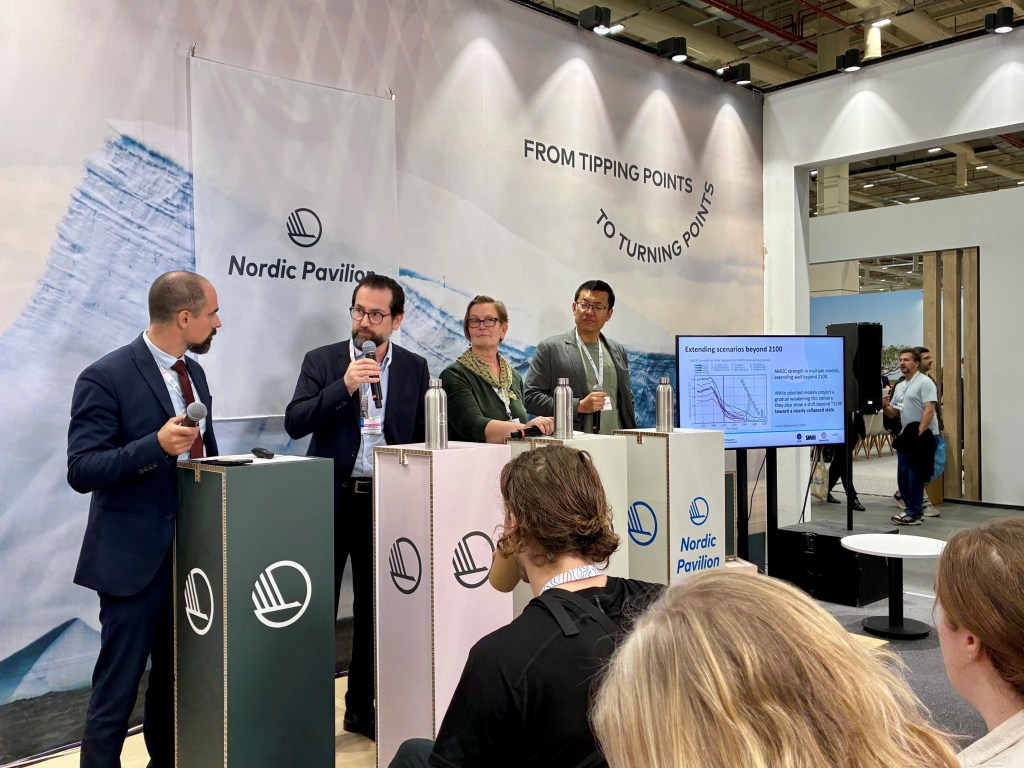
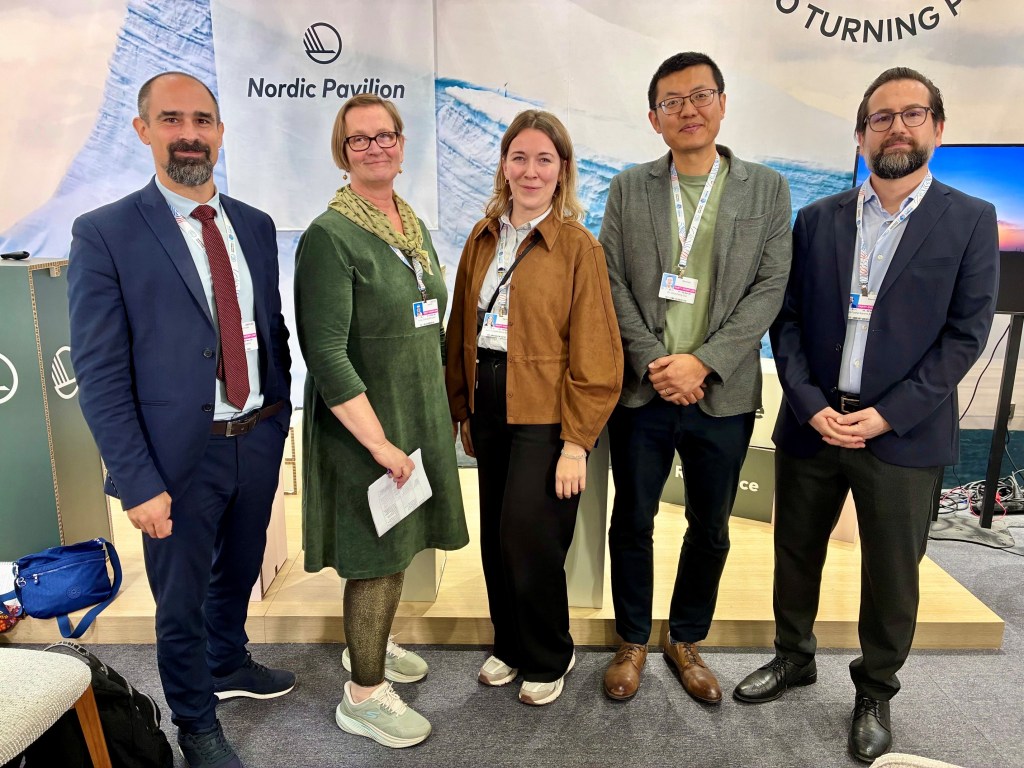
The event, hosted in the Nordic Pavilion, brought together climate scientists and adaptation experts to discuss what we know about AMOC, what remains uncertain, and how this knowledge can inform decision-making.
Some key takeaways from the discussion:
🔹 𝗔𝗠𝗢𝗖 𝘄𝗲𝗮𝗸𝗲𝗻𝗶𝗻𝗴 𝗶𝘀 𝗮 𝘀𝗲𝗿𝗶𝗼𝘂𝘀 𝗰𝗼𝗻𝗰𝗲𝗿𝗻. While direct observational records are too short to robustly say whether the AMOC has already declined, there is scientific consensus that a weakening is very likely this century and should emerge from natural variability in the coming decades. In the longer term, some climate models indicate that a collapse could be possible even under low-emission scenarios.
🔹 𝗨𝗻𝗰𝗲𝗿𝘁𝗮𝗶𝗻𝘁𝘆 𝗺𝗮𝗸𝗲𝘀 𝗽𝗹𝗮𝗻𝗻𝗶𝗻𝗴 𝗱𝗶𝗳𝗳𝗶𝗰𝘂𝗹𝘁. National and local governments need actionable information to prepare for potential AMOC-related impacts. Further work on downscaling climate projections is essential to better understand what a weakened AMOC could mean at regional and local levels.
🔹 𝗨𝗻𝗰𝗲𝗿𝘁𝗮𝗶𝗻 𝗳𝘂𝘁𝘂𝗿𝗲𝘀 𝗰𝗮𝗹𝗹 𝗳𝗼𝗿 𝗮 𝗻𝗲𝘄 𝗮𝗽𝗽𝗿𝗼𝗮𝗰𝗵 𝘁𝗼 𝗮𝗱𝗮𝗽𝘁𝗮𝘁𝗶𝗼𝗻. Rather than planning around a single scenario, adaptation strategies need to be flexible and multifunctional, capable of responding to very different climate outcomes, including both warming and potential regional cooling.
🔹 𝗖𝗹𝗶𝗺𝗮𝘁𝗲 𝘀𝗰𝗶𝗲𝗻𝗰𝗲 𝗮𝗻𝗱 𝗮𝗱𝗮𝗽𝘁𝗮𝘁𝗶𝗼𝗻 𝗽𝗹𝗮𝗻𝗻𝗶𝗻𝗴 𝗻𝗲𝗲𝗱 𝘁𝗼 𝘄𝗼𝗿𝗸 𝗵𝗮𝗻𝗱 𝗶𝗻 𝗵𝗮𝗻𝗱. We need to take the possibility of AMOC tipping, alongside tipping risks in other ecosystems, seriously. This requires a close collaboration between climate scientists and adaptation experts to translate scientific knowledge into relevant variables, scenarios and concrete adaptation plans.
We cannot wait for uncertainty to disappear before we start preparing. Understanding potential tipping points and translating that knowledge into practical adaptation strategies must go hand in hand.
The event featured a distinguished panel consisting of:
- Dr. Anna Blomqvist – Senior climate adaptation expert at SMHI, Associate Professor at Linköping University, and Chair of the Nordic Climate Adaptation Program.
- Dr. Chuncheng Guo – Climate scientist at DMI, specializing in climate modelling, polar ocean and climate dynamics.
- Dr. Pasha Karami – Senior climate scientist and research leader at SMHI, specializing in climate modelling, North Atlantic and Arctic climate change, and climate variability and extremes.
- Moderator: Adrian Lema, Director at the National Center for Climate Research, DMI.


Leave a Reply